Who am I?

The author reflects on personal growth while decluttering, questioning the need for items linked to the past instead of embracing new priorities and creating space for the future to come alive.

Who am I now and why do I have all this stuff?
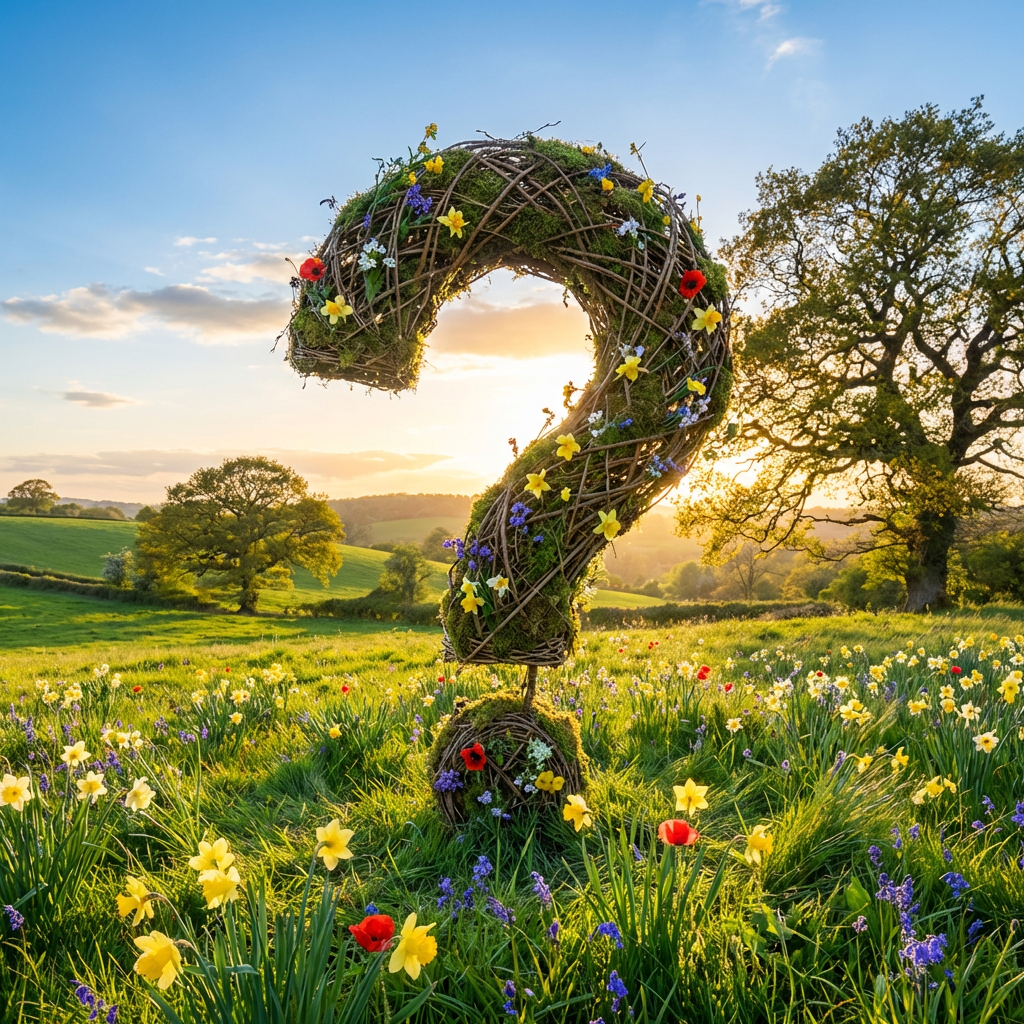
Question mark sculpture made of branches and flowers in a sunny meadow.
A whimsical question mark sculpture stands tall in a blooming spring meadow.

This morning, as I was lying in bed considering the pros and cons of getting up, I had this thought – “Who am I?” or more specifically “Who am I now, and why do I have all this stuff?”

Let’s rewind a bit.

I love spring – all of the clean-up work, both inside and outside, to make things fresh and new. I have been decluttering and repainting bedrooms this spring and I am getting ready to move my home office into the guest room. But that got me to thinking. Who am I that I need a home office? I don’t work from home anymore. I don’t particularly like to spend time at my desk. I haven’t cracked open any of the leadership books stashed around my home for a couple of years now. Why am I holding on to things that remind me of who I was instead of feeding who I want to be?

This led to another set of questions. What would it look like if I rid myself of these books that I had been hording? What would it look like if I created a comfortable space more reflective of my priorities today instead of a home office with a bed in it?

Once the questions presented themselves, the answers actually came easily.

  1. What would it look like if I rid myself of these books I have been hoarding? Well, I would have more space for books I want to read now, for pictures of family, memories from vacations, and for knitting projects. In short, I would have more space for the things that are important now. And, if I ever feel I need to reference back to one of those books, there is always the library!!
  2. What would it look like if I created a comfortable space more reflective of my priorities today instead of a home office with a bed in it? My guests would have a comfortable and welcoming space to sleep in (I’m talking about you, mom and dad!). I would have a place to practice yoga and work on puzzles without taking over the living room. There would be space for the books that I really do want to keep. Hey, these all sound like good things!

Saying Goodbye

The things that I am looking to rid myself of are things that defined the previous 30 years of my life in the corporate world. The leadership books and the desk represent my climb up the corporate ladder. They represent hard work, challenges and friendships. They represent how we all adapted to working from home during COVID, trying to balance life in a whole new way. They represent long meetings, conversations, and relationships that I will always cherish. I am very thankful for the experiences that they represent, but I have learned what I can from them. I am thankful for the people I met over Zoom calls while sitting behind that desk. But the time has come to let it go. and by “it” I mean the stuff, not the people. Let’s be clear about that!

Saying Hello

Since I am saying goodbye to that last chapter of my life as a Once-upon-a-corporate-world-wife-and-mother, what am I saying Hello to? This clearly isn’t the end. I have a job that I love that feeds my soul and recharges my spirit every day! It does not involve working from home. I have a family that loves to laugh together and support each other. I have so much to be thankful for. As I move forward in life, I want to create space to grow, to share, and to find meaning. That all feels very doable, in fact, I am already doing it.

Your Turn

How about you? Are you holding on to things that defined you in the past that you might just be ready to let go of? Are you ready to move fully into your future? Acknowledge the past, thank it for what you have learned, then look at what you need to carry forward.

Good luck!
A Hopeful Time of Year!

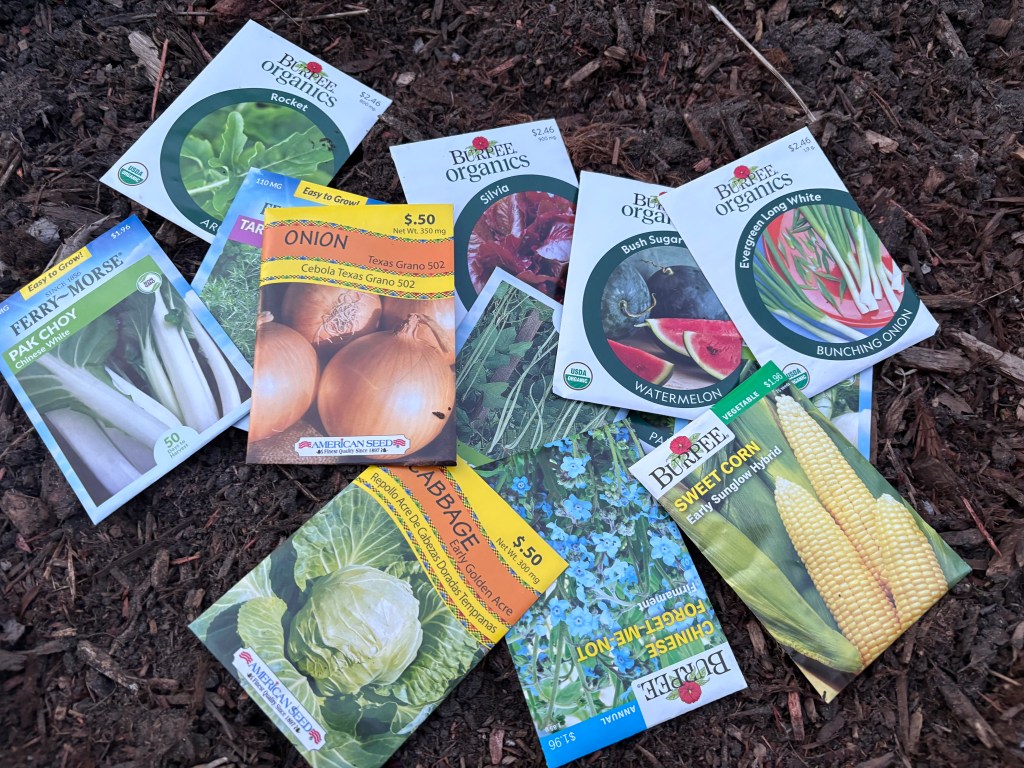
May is a hopeful time of year as we start to plant our gardens in Southern Minnesota. Planting represents hope for a positive future. The act reflects a commitment to nurture growth, fostering qualities like kindness and love for a better world.

At work today, the hot topic was planting gardens. No, I do not work in a garden center, but I do work with many people that enjoy the possibilities that spring planting brings. In Southern Minnesota, Mother’s Day is the magic day that we wait for (May 11th this year). After Mother’s Day, it is safe (supposedly) to plant our gardens. Side note: This is also the same weekend as the MN Walleye opener (May 10th). I choose planting – the Walleye can wait!

Planting is an act of Hope. Hope is the desire that something good is going to come in the future. Hope is that belief that the effort you are putting in now is going to pay off in the way you want some time in the future. Hope is an acknowledgement that you are looking forward to a future that is different from today.

When you plant, you hold in your hand the tiniest of seeds. You place it in the ground and gently cover it with dirt. Maybe you’re like me and you return each day to see if anything is sprouting yet, hoping for something that looks like what you planted and not another weed. You watch the rainfall, making sure that the little seed is getting enough water. You keep an eye on the critters, making sure they aren’t digging in your garden. You do what you can to protect and nurture that little seed, hoping all along that at some point a little sprout will pop through the dirt.

My experience is that about 50% of the vegetable plants that I start from seed successfully make it to harvest. Some vegetables do much better than others, and a lot of it depends on what the deer eat! But every year I enter this season with the same hope of creating something beautiful in my garden. It is a hopeful time of year!

Let is be a hopeful time of year for you too! Start planting seeds right now. Seeds can grow more than plants. Sow seeds of courage, generosity, kindness, love. And live in the hope that we can make this world better each day!

Buried Rocks, Beautiful Potential

Just as hidden rocks hinder plant growth, buried past struggles can affect our lives. Embracing and transforming these challenges can lead to growth, empathy, and the ability to uplift others, ultimately creating a beautiful foundation.

Remember that flower bed I wrote about in my first post? I mentioned that the soil was hard and rocky. That was a bit of an understatement. This flower bed has layers of rocks laid down by previous owners as they made improvements over the years. One owner covering up the landscape left by the previous one. Digging in this soil is nearly impossible, every plunge of the shovel hits – you guessed it – rocks.

When we bought this home, that flower bed was covered with a spreading evergreen bush. It was nice looking, and there was no way of knowing that all of these rocks were hiding under it before we pulled the bush out. Now, I keep trying to plant flowers and bushes into that rocky soil. I shouldn’t be surprised that they aren’t growing well or achieving their full beautiful potential.

We are the same. Everyone has a past and many of us have rocks that we try to bury in the dirt and plant over as we keep trudging forward. Eventually, though, even as we are trying to plant something new, the rocks in the soil prevent it from really taking root. Discouragement sets in.

But rocks can also be turned into something positive. They can be used to create foundations and build up something beautiful. Rocks can become homes and provide shelter. Rocks can become beautiful walls in the landscape. They can become a work of art.

Looks at the rocks from your past, instead of trying to cover them up, maybe even layering rocks on top of rocks, and planting over them, use them to create a firm foundation for building something better. Even our worst or most embarrassing life experiences can become a thing of beauty when we acknowledge them and learn from them. They can create in us a feeling of empathy for others and bring us alongside others in their times of struggle. We can offer them a kind word and supporting hand because we have already walked where they now stand. Our life experiences are not meant to be covered and hidden by a false smile or sarcastic comment. They are meant to be used to lift others up.

If you have buried rocks in your garden of life, don’t waste your energy trying to hide them. I encourage you to seek out someone that you trust, maybe even a professional, explore those rocks and use them to create a foundation to build something beautiful.

The Seeds of Time

The parable of the sower illustrates how time, like seeds, can yield different results based on how it is allocated. The author reflects on the value of time and encourages readers to examine how they spend their waking hours. Recognizing time usage is key to meaningful change and aligning actions with personal goals.

Then he told them many things in parables, saying: “A farmer went out to sow his seed. As he was scattering the seed, some fell along the path, and the birds came and ate it up. Some fell on rocky places, where it did not have much soil. It sprang up quickly, because the soil was shallow. But when the sun came up, the plants were scorched, and they withered because they had no root. Other seed fell among thorns, which grew up and choked the plants. Still other seed fell on good soil, where it produced a crop—a hundred, sixty or thirty times what was sown. Whoever has ears, let them hear.” (Matthew 13:3-9, NIV)

This parable, from the gospel of Matthew, came to mind today. Later in the gospel, Jesus goes on to explain the meaning of this parable as it relates to faith. For me though, it took on a different meaning this morning. I was thinking of this parable in terms of time.

Time is a precious resource, always moving forward, and once spent, it can never be regained. We can “plant” our time in ways that it will grow and bear fruit, or we can just throw it away on rocky soil. What we do with our time matters!

Bob Goff drives this point home in his book “Undistracted” (2022). It is an excellent read and I highly recommend it. He looks at the number of days an average person lives and emphasizes that what we do in that time matters deeply! I had to break that down a bit, and think of time as hours in a day, not days in a lifetime. In a 24 hour day, assuming you sleep for approximately 8 hours, you have 16 waking hours. Of course, there are basic things you need to take care of such as food, shelter and hygiene. So, let’s say you have 12 hours then to plant as your seeds of time for the day.

What do you do? Take a moment to think about where your time goes. Actually list it out! On any given day, my list may include things like watching TV, surfing the internet, scrolling social media, talking with family and friends, working at a career, volunteering, and the list goes on. What does your list show? Actually, track this for a few days and make a timeline of your day!

Now reread the parable of the seeds. Remember, you have 12 seeds of time to scatter each day? How many of those seeds are falling along the path or the rocky places or the thorns where they won’t grow and bear fruit? How many are falling on fertile soil, growing into something that makes a difference in your life or the lives of others?

Now if you did this exercise and are happy with how you are sowing your allotment of seeds – good for you! Keep at it!

If you are like me and thought “I waste a lot of time!” TAKE HEART! Realizing is the first step to change. Now you know where your time is going, and you have the ability to change it if you want to. Look back at your dreams for 2025 (see the last blog) and make sure, to the extent you can, you are sowing your time in a way that aligns with your dreams. It isn’t easy to change, so be intentional today, and every day, where you sow the seeds of your time.

(Image generated by AI)

Changing Seasons …… and Perspectives

Fall is finally here! Last weekend, I was wearing shorts and a t-shirt. This week, out come the flannel lined pants and the winter hat. Seasons change. How we view that change is all about perspective.

In the past, I hated flipping my calendar to November and then December. I am not a lover of the coming cold weather that these two months point to. Nor do I love the shortened days. As a matter of fact, I had declared the winter solstice, the shortest day of year, my least favorite day of the year. Really? Can you have a least favorite day of the year? In hindsight, that seems pretty petty.

A couple of years ago, I made a deliberate effort to change my perspective on the fall and winter months to focus on the positive.

Now….

Fall holds my favorite colors. The trees in my neighborhood look like brilliant fireworks in the fall. I use this color pallet throughout my home. The trees may lose their leaves and look dead, but they are welcoming an opportunity to sleep and ready themselves for the spring.

The winter solstice may be the shortest day of the year, but it is also the gateway to the light as the days begin to lengthen starting the next morning. When we turn that corner, I know that spring is once again coming, even if it is still three months away.

Sometimes life needs a little reframing too. Maybe you are afraid to try something new because you don’t want to embarrass yourself. Can you reframe your perspective?

Can you reframe anxiety into excitement? For me, it was: “I’m afraid to speak in front of others!” to “I’m excited to share what I know.”

Can you reframe frustration with others into an opportunity to understand their opinions better?

I know, it’s definitely not as easy as it sounds, but maybe, just maybe, a little change in perspective in one area of your life will open doors for other changes as well. Perhaps you can inspire others with your actions.

Good luck and enjoy the changing seasons!