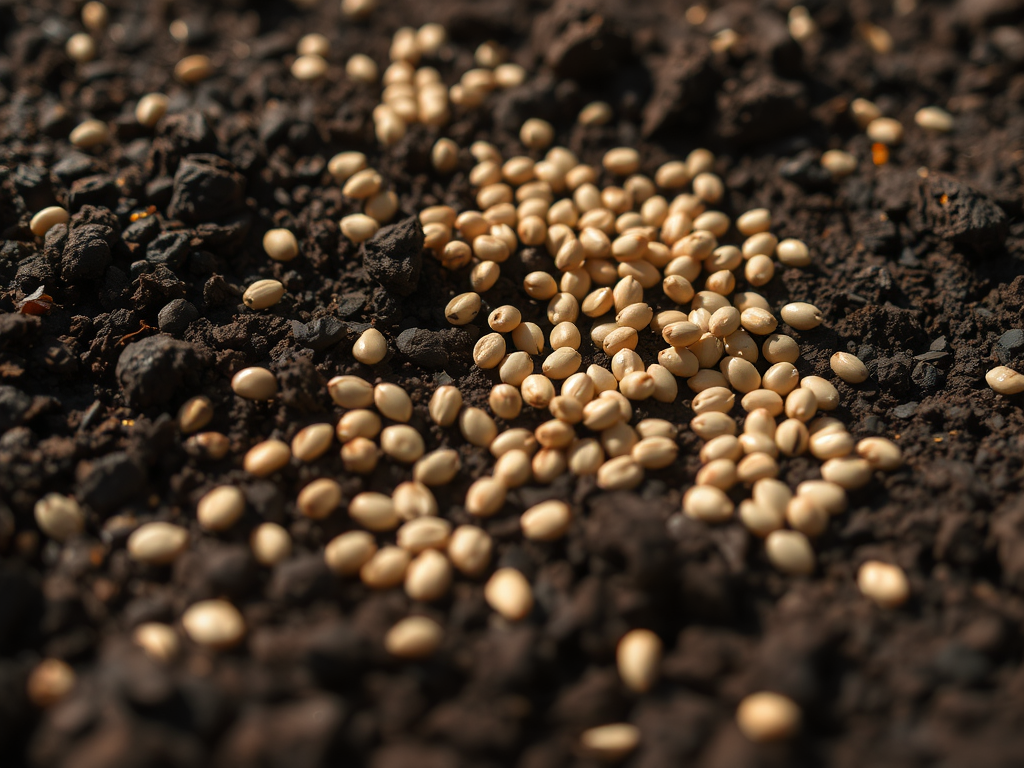
The Seeds of Time

The parable of the sower illustrates how time, like seeds, can yield different results based on how it is allocated. The author reflects on the value of time and encourages readers to examine how they spend their waking hours. Recognizing time usage is key to meaningful change and aligning actions with personal goals.

Then he told them many things in parables, saying: “A farmer went out to sow his seed. As he was scattering the seed, some fell along the path, and the birds came and ate it up. Some fell on rocky places, where it did not have much soil. It sprang up quickly, because the soil was shallow. But when the sun came up, the plants were scorched, and they withered because they had no root. Other seed fell among thorns, which grew up and choked the plants. Still other seed fell on good soil, where it produced a crop—a hundred, sixty or thirty times what was sown. Whoever has ears, let them hear.” (Matthew 13:3-9, NIV)

This parable, from the gospel of Matthew, came to mind today. Later in the gospel, Jesus goes on to explain the meaning of this parable as it relates to faith. For me though, it took on a different meaning this morning. I was thinking of this parable in terms of time.

Time is a precious resource, always moving forward, and once spent, it can never be regained. We can “plant” our time in ways that it will grow and bear fruit, or we can just throw it away on rocky soil. What we do with our time matters!

Bob Goff drives this point home in his book “Undistracted” (2022). It is an excellent read and I highly recommend it. He looks at the number of days an average person lives and emphasizes that what we do in that time matters deeply! I had to break that down a bit, and think of time as hours in a day, not days in a lifetime. In a 24 hour day, assuming you sleep for approximately 8 hours, you have 16 waking hours. Of course, there are basic things you need to take care of such as food, shelter and hygiene. So, let’s say you have 12 hours then to plant as your seeds of time for the day.

What do you do? Take a moment to think about where your time goes. Actually list it out! On any given day, my list may include things like watching TV, surfing the internet, scrolling social media, talking with family and friends, working at a career, volunteering, and the list goes on. What does your list show? Actually, track this for a few days and make a timeline of your day!

Now reread the parable of the seeds. Remember, you have 12 seeds of time to scatter each day? How many of those seeds are falling along the path or the rocky places or the thorns where they won’t grow and bear fruit? How many are falling on fertile soil, growing into something that makes a difference in your life or the lives of others?

Now if you did this exercise and are happy with how you are sowing your allotment of seeds – good for you! Keep at it!

If you are like me and thought “I waste a lot of time!” TAKE HEART! Realizing is the first step to change. Now you know where your time is going, and you have the ability to change it if you want to. Look back at your dreams for 2025 (see the last blog) and make sure, to the extent you can, you are sowing your time in a way that aligns with your dreams. It isn’t easy to change, so be intentional today, and every day, where you sow the seeds of your time.

(Image generated by AI)

New Year, New Dreams: How to Ignite Your Passion and Set Meaningful Goals

Resolution is a 4-letter word! Instead of setting New Year’s Resolutions for 2025, let’s explore our dreams for the year ahead and set meaningful goals to make them a reality.

If you read my last post, you’ll know I was taking some time to reflect on 2024. I proposed 10 questions to guide this reflection. I looked back at my decisions, not to second guess them, but rather to see how they contributed to where I am today. In 2024, my theme was “Curiosity, Courage, Compassion, Connection”. This served as a guide to the questions that I asked myself as the year went on, especially when I was experiencing new situations. This reminded me to stop making my world smaller and to step out to strengthen connections. I have to say, I feel pretty good about 2024 – the accomplishments and the way I approached challenges. My world is definitely bigger now.

Now it is time to start thinking about the year ahead.

I don’t believe in setting New Year’s resolutions anymore. Been there, done that, and failed multiple times to see them through. So often, when we set resolutions (this should be a 4-letter word) we are focused on our short comings: I’m too shy, too fat, too slow, too (insert defect here).

This year, I am exploring my dreams. No, not the dreams I have when I am sleeping (those are too weird), I’m talking about the dreams that I have for my life. I am a big fan of dreaming, exploring possibilities! Dreams ignite motivation and fuel personal growth.

“You are never too old to set another goal or dream a new dream” – C S Lewis

I was listening to a sermon last Sunday (cor.org December 29, 2024), and the pastor proposed the following self-reflection questions to prepare for the new year (Notes in italics are mine):

  • Who am I? (What defines me? What are my strengths? Gifts?)
  • What dreams do I have for my life? (Life is short, what do I want to achieve or accomplish with the time I have? How do I want to be remembered?)
  • What obstacles are preventing me from pursuing my dreams? (Real or imagined, what is holding me back. What are my growth opportunities?)
  • What am I most afraid of happening should I chase this dream? (My preferred take on this question: What is the best thing that could happen should I chase this dream?)
  • What are 3 practical things I could do today to explore these dreams? (Time to take action… NOW!)
  • Who can I vet these dreams with? (I don’t have to figure this out alone, who can walk this journey with me?)

You might be thinking “This sounds like a lot” and maybe your tempted to jump right in to setting goals for the year. Remember, goals are a way to achieve dreams. A goal without a dream is just another item on the to-do list that you can ultimately check off, but it doesn’t really feed into something bigger. When you create the dream, you know exactly what the goal ties to and you will be far less likely to give up.

As we journey together into the new year, I’ll be dreaming big, setting goals, and moving forward. And yes, I’ll be doing all of this in my garden!

Happy New Year my friend. You are full of possibilities. Take a little time at the start of the new year to explore YOUR DREAMS! And if you need someone to believe in your dreams with you, just let me know!

Enjoying the View

As the year comes to a close, I’ve been thinking about how best to reflect on this year before I jump into the new one. I spent many years as a project manager and one of the keys to wrapping up a project was the “Lessons Learned” activity. If you aren’t familiar with this, here is a brief outline of the concept.

Get all of the project stakeholders together and ask the following questions:

  1. What did we do well?
  2. What could we do better?
  3. What should we keep doing on future projects?
  4. What should we change going forward?

Seems simple, right? You might be surprised at the conversation these questions can drive. Everyone gets to share their opinion, and many times there is a group that feels something was done well while another group sees it as a miss. It all depends on your perspective. The end goal is to help the next project be more successful than the one that was just completed.

Now, these aren’t the exact questions I’m thinking about, and I am certainly not planning to get a group together to ask what I did well and what I could have done better. This isn’t a 360-performance review of my year; this is my internal reflection. That being said, here are some questions I am reflecting on myself as I close out the year.

  1. What am I proud of accomplishing this year?
  2. What surprised me this year?
  3. What is one book/movie/article that impacted the way I think about life? Why?
  4. What new things did I try this year?
  5. What did I let go of / stop doing that I would like to re-establish?
  6. What did I let go of this year that lifted a weight off my shoulders?
  7. What did I start doing this year that I need to let go of?
  8. What did I start doing this year that made a positive difference in my life?
  9. Who were 5 important people that influenced my life on a personal level?
  10. What am I leaving unresolved and why?

Now, look back at those answers. Is there a word or sentence that sums up the theme of the year?

I’m not going to share my answers now, as it will take me a few days to work through this. I encourage you to take this list, make it your own, and work through it as the year comes to a close. Then, check back on January 1st as we start the process of setting intentions (NOT RESOLUTIONS) for the new year!